
Comparing Weather Resistance, Strength, Maintenance & Long-Term Value by Material
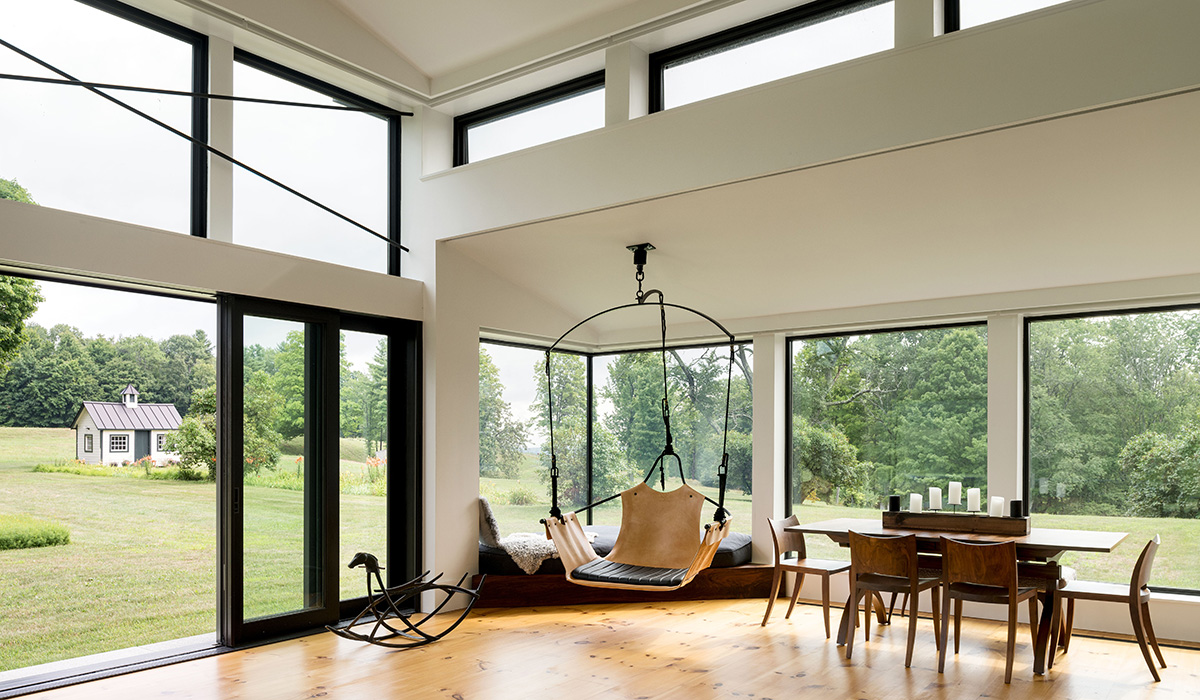
When replacing the windows in your home, durability is one of the most important factors to consider. Windows are exposed to changing temperatures, moisture, sunlight, wind, and everyday use, so choosing a material that can provide reliable performance for years is essential. Two common options are premium wood-clad windows and all-vinyl windows.
Both can be effective choices for replacement and remodeling projects, but they offer different approaches to durability, maintenance, appearance, and long-term performance. Understanding these differences can help homeowners determine which option makes the most sense for their home.
What Are Wood-Clad Windows?
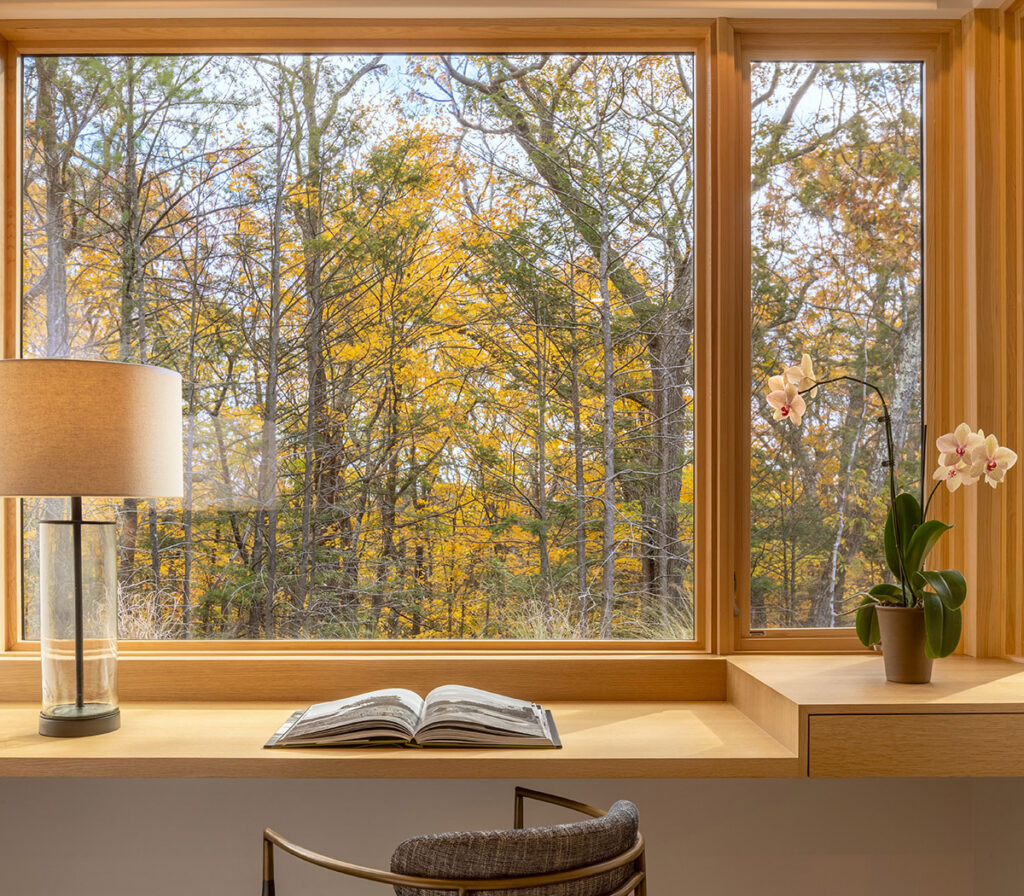
Wood-clad windows combine the natural appearance of wood with a protective exterior material. The interior is typically made from natural wood, while the exterior is covered with a durable material designed to withstand exposure to the elements.
This construction provides homeowners with the warmth and character of wood inside the home without leaving the exterior wood fully exposed to rain, snow, moisture, and sunlight.
Premium wood-clad windows can offer:
- Natural wood interiors
- Durable exterior protection
- A wide range of finishes and design options
- Strong structural performance
- Long-lasting architectural appeal
- Excellent energy-efficiency options
For example, Woodbury Supply offers Marvin window collections featuring wood, aluminum-clad wood, and fiberglass construction. The Marvin Elevate Collection combines natural wood interiors with Ultrex fiberglass exteriors for a balance of beauty and durability.
How Durable Are All-Vinyl Windows?
All-vinyl windows are popular because they offer relatively low maintenance and can provide dependable performance at a more accessible price point.
Vinyl does not need to be painted or stained, and it is resistant to moisture. Quality vinyl windows can perform well for many years when properly manufactured and installed.
However, not all vinyl windows are created equal. The quality of the frame, construction, glass, hardware, and installation can have a major impact on how well a window performs over time.
Homeowners should look beyond the material itself and consider the overall quality of the window system.
How Do Wood-Clad and Vinyl Windows Compare?
Resistance to the Elements
Structural Strength
Maintenance
Does Wood-Clad Construction Last Longer?
The lifespan of any window depends on several factors, including the quality of the product, climate, installation, maintenance, and how the window is used.
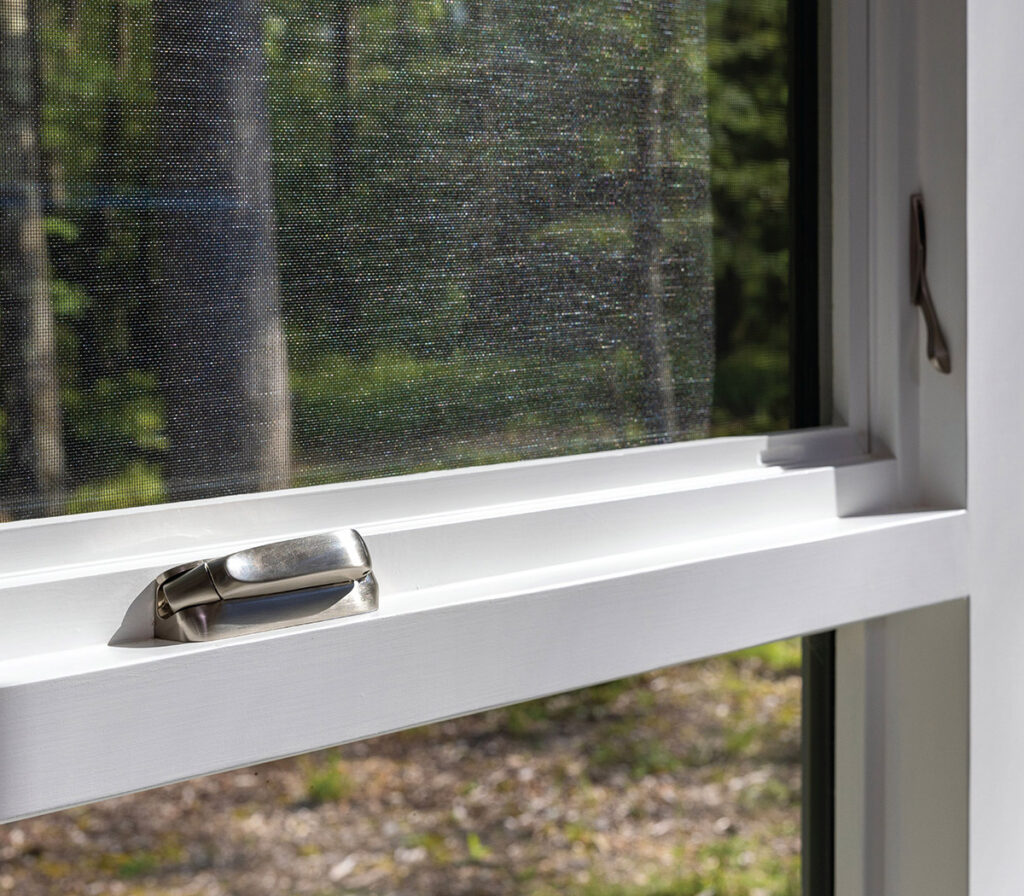
A premium wood-clad window can provide excellent long-term durability when it is properly manufactured, installed, and maintained. The combination of a wood interior and protective exterior gives homeowners the benefits of natural wood while adding another layer of protection against the outdoor environment.
That does not mean every wood-clad window will automatically outlast every vinyl window. Product quality and installation matter just as much as the basic frame material.
Why Installation Matters for Durability
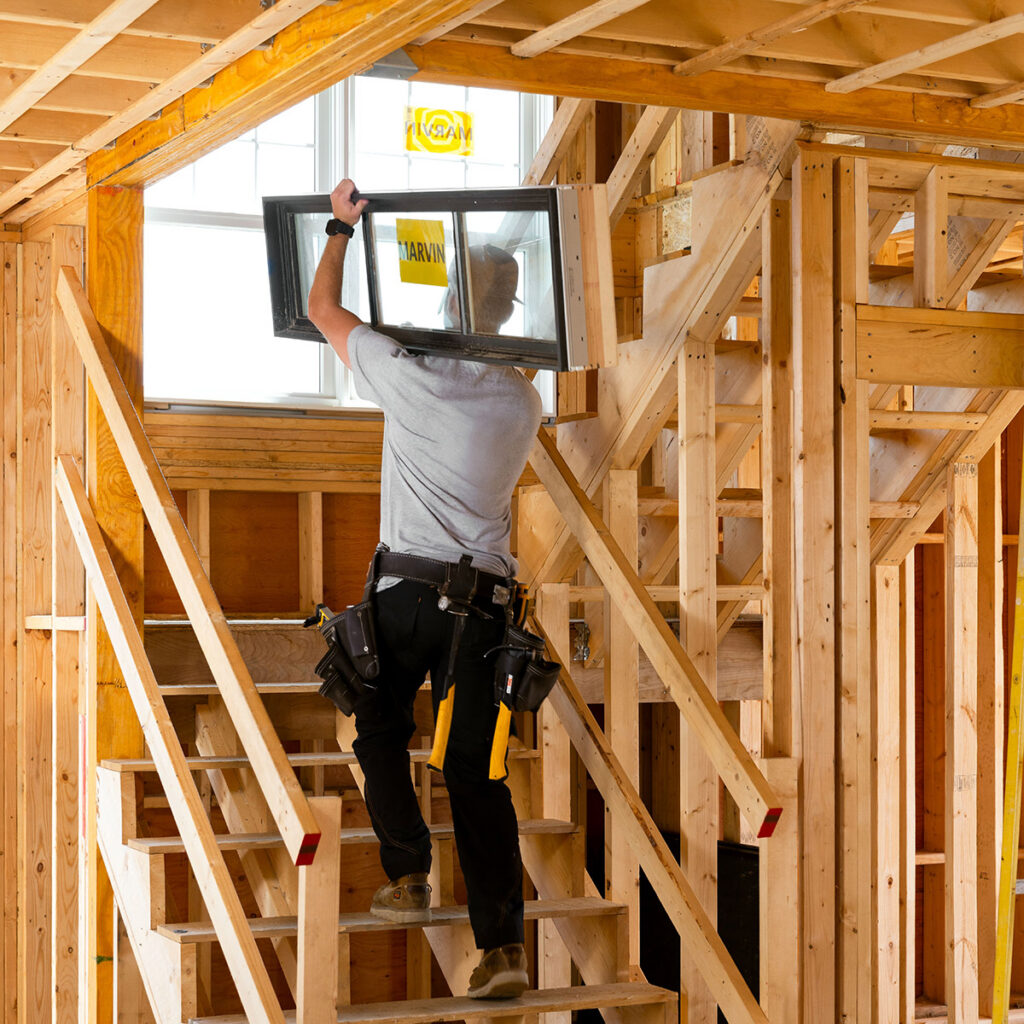
Even a premium window like Marvin needs proper installation to perform as intended. Incorrect measurements, inadequate sealing, or improper insulation can lead to air and water infiltration and may reduce the expected performance of the window.
A professional installer should pay attention to:
- Accurate measurements
- Proper fit and alignment
- Weather-tight sealing
- Appropriate insulation
- Manufacturer installation requirements
- Proper operation of the finished window
Woodbury Supply and Millwork Masters provides professional window and door installation and is a Marvin Certified Installing Retailer, with trained and certified installers. Their installation process focuses on proper fit, weather sealing, insulation, and long-term performance.
Which Option Is Right for Your Home?
All-vinyl windows may be a good choice if you prioritize:
- Low maintenance
- Practical performance
- Straightforward replacement
- Lower initial investment
Premium wood-clad windows may be a better fit if you prioritize:
- Natural wood interiors
- Premium construction
- Long-term architectural appeal
- Customization
- A combination of beauty and exterior durability
FAQ - Wood-Clad vs. Vinyl Windows
What is the difference between wood-clad and all-vinyl windows?
Wood-clad windows combine a natural wood interior with a durable exterior cladding—such as fiberglass or aluminum—that shields the wood from rain, snow, moisture, and sunlight, giving you the warmth of wood inside without exposed exterior wood. All-vinyl windows are made entirely of vinyl, which resists moisture and needs no painting or staining. The core difference is construction: wood-clad offers natural-wood aesthetics and premium structural performance, while vinyl offers a single low-maintenance material throughout.
Are wood-clad windows more durable than vinyl windows?
Premium wood-clad windows can offer excellent long-term durability, and higher-quality wood-clad and fiberglass systems may provide advantages in structural strength and material stability, especially for larger sizes and custom configurations. That said, no material automatically outlasts another—product quality, glass and hardware, climate, installation, and maintenance all matter. A well-made, properly installed window of either type will outperform a lower-quality one, so it is best to evaluate the whole window system rather than the frame material alone.
Do wood-clad windows require a lot of maintenance?
Which is better for a custom or traditional home—wood-clad or vinyl?
Why does installation matter as much as the window material?
Look Beyond the Frame Material
Durability should not be the only consideration when selecting replacement windows. Homeowners should also compare the quality of the manufacturer, glass package, hardware, installation process, warranty, and available customization options.
A high-quality window that is properly installed can provide better long-term performance than a lower-quality product, regardless of whether it is made from vinyl or wood-clad materials.
At Woodbury Supply Company and Millwork Masters, homeowners can explore a wide range of replacement and remodeling window options and receive guidance based on their home’s architecture, performance goals, and design preferences. With options including wood, aluminum-clad wood, and fiberglass, Woodbury Supply can help homeowners find a window solution that balances durability, appearance, and long-term value.