
The Signs of Failing Frames, Drafts, Seals and Hardware, and When Marvin Replacement Windows Are the Better Long-Term Investment
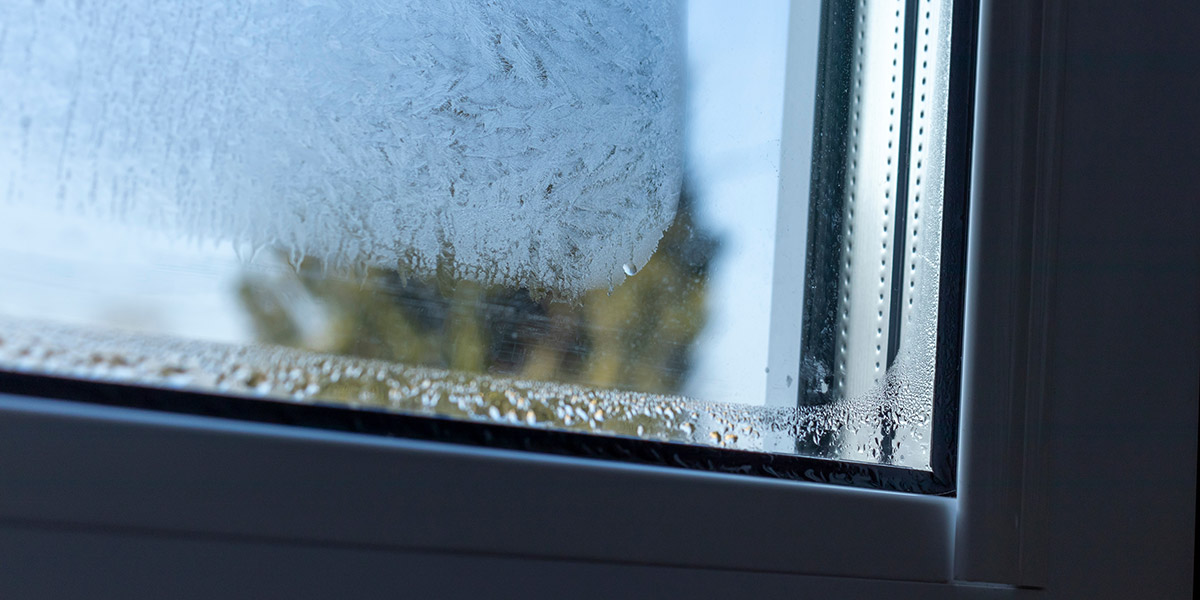
When your windows start showing signs of wear, it can be difficult to determine whether a repair will solve the problem or if it is time to invest in new windows. Drafts, condensation, difficulty opening or closing, and visible damage can all indicate that something is wrong. However, not every window problem requires a complete replacement.
The condition of the frames, the extent of the damage, and the cost of repairs all play a role in determining the best solution. Understanding these factors can help homeowners make informed decisions about comfort, energy efficiency, and long term value.
When Can Existing Windows Be Repaired?
Worn Weatherstripping and Minor Drafts
If you notice cold air entering around a closed window, worn weatherstripping or deteriorated seals may be responsible. Replacing these materials or adjusting the window sash may help reduce air leakage.
However, drafts can also result from warped frames, poor installation, or gaps around the window opening. If basic repairs do not resolve the problem, a more thorough evaluation may be necessary.
Broken Locks, Balances and Window Hardware
Damaged locks, handles, hinges, and window balances can make windows difficult to operate. Depending on the window type and availability of replacement parts, these components may be repaired without replacing the entire unit.
If the frame is warped or several components are failing, replacement may be a more practical option.
Cracked Glass or Isolated Trim Damage
Cracked glass does not always require full window replacement. In some cases, the glass or insulated glass unit can be replaced while retaining the existing frame.
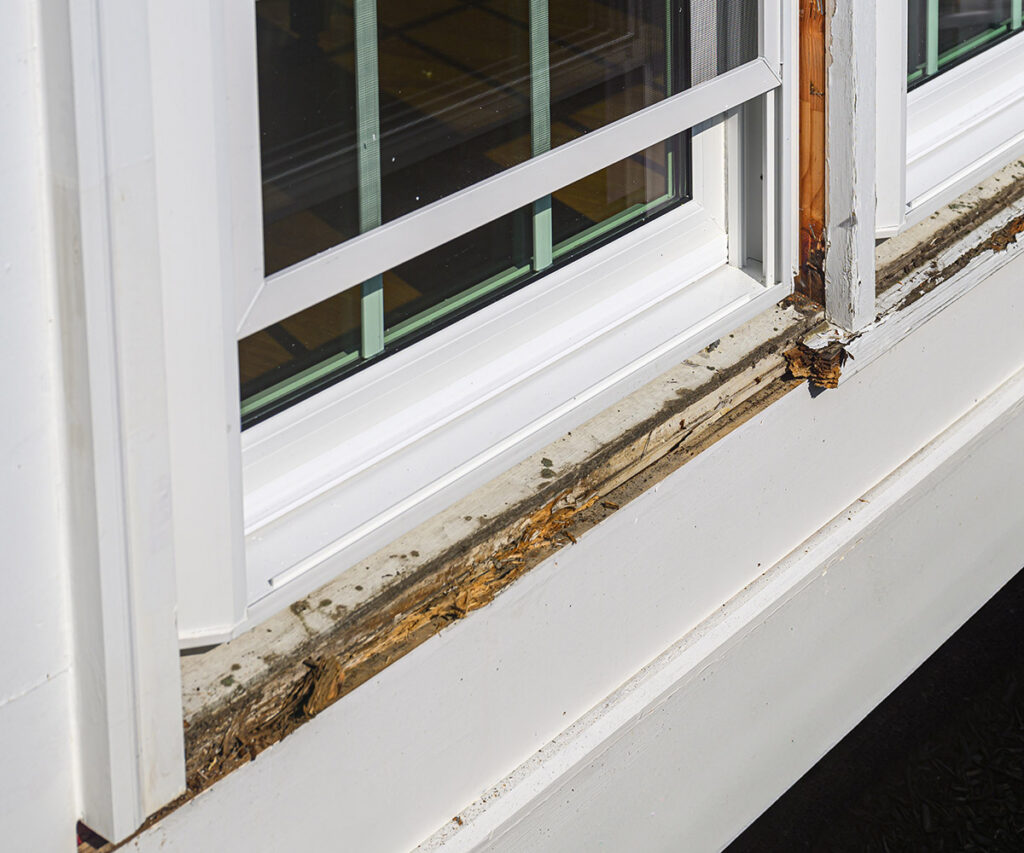
Likewise, damaged caulking or loose exterior trim may be repairable when the underlying window remains in good condition. However, extensive wood rot or structural damage can compromise the frame and may require a complete replacement.
Signs You Need Window Replacement
Rotted, Warped or Damaged Window Frames
Window frames support the glass, allow proper operation, and help protect the home from the elements. Look for signs such as rotting wood, warped components, cracks, or persistent moisture damage.
Minor surface damage may be repairable, but extensive deterioration can make it difficult to achieve a secure fit and reliable seal. Before replacing a damaged window, it is also important to identify the source of any moisture to prevent similar problems from developing again.
Persistent Drafts and Poor Energy Efficiency
If your home feels uncomfortable near the windows despite attempts to address drafts, your existing windows may no longer be performing effectively.
Signs of potential problems include cold spots, noticeable air movement, uneven indoor temperatures, and heating or cooling systems that run frequently.
Energy bills alone do not prove that windows need replacement, since insulation and HVAC performance also affect energy use. However, when higher energy costs occur alongside persistent drafts and deteriorating seals, replacement may be worth considering.
Woodbury Supply Company offers Marvin window collections in materials including wood, aluminum clad wood, and fiberglass. These options allow homeowners to explore different combinations of appearance, maintenance, and performance.
Windows That Won't Open, Close or Lock
Windows should operate smoothly and close securely. A worn balance or damaged lock may be repairable, but a severely warped frame or sash that no longer fits correctly may require replacement.
Windows that cannot close or lock securely should be addressed promptly. If several components are failing, replacing the unit may provide a more dependable solution.
Frequent, Costly Window Repairs
Repeated repairs can add up over time. If you continually address broken hardware, failed seals, and deteriorating frames, compare the total repair costs with the cost of replacement.
Consider whether the same problems keep returning, whether a repair will address the underlying cause, and how long the window is expected to continue performing.
There is no universal age at which every window needs replacement. Product quality, materials, maintenance, climate, and installation all influence lifespan. The actual condition of the window is more important than age alone.
How to Decide Between Window Repair and Replacement
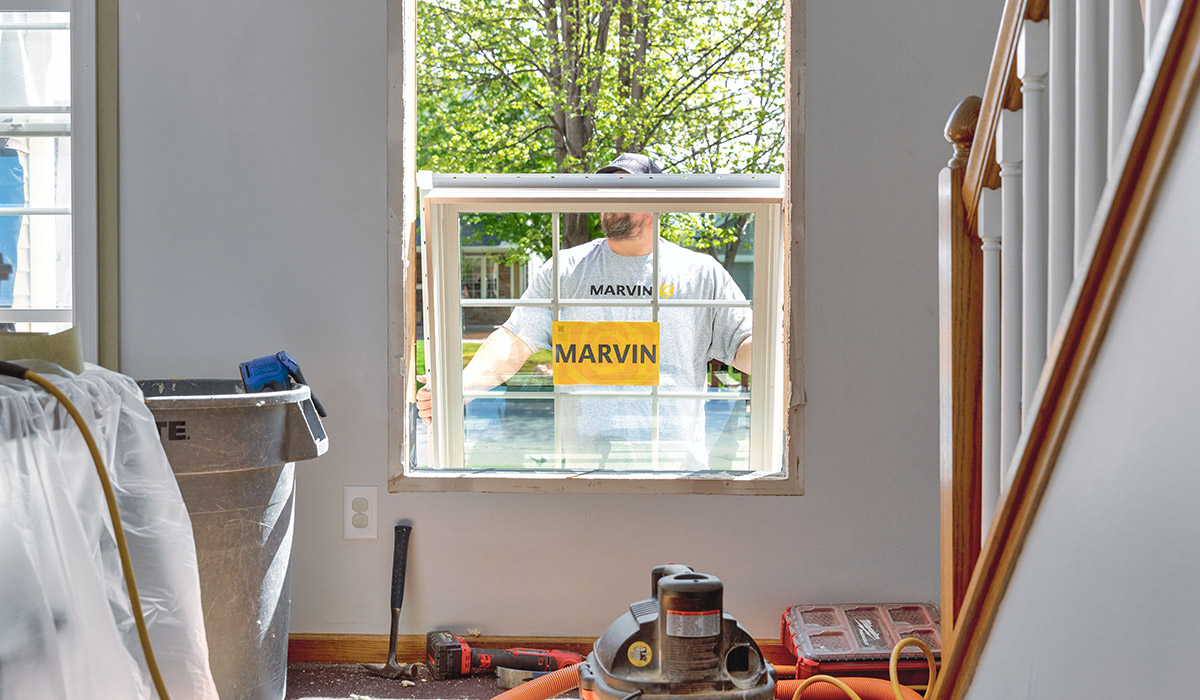
The right choice depends on the severity of the problem, the condition of the existing windows, and your long term plans for the home.
Repair may make sense when:
- The frame is structurally sound.
- The problem is limited to hardware or weatherstripping.
- The glass can be replaced separately.
- The window operates well overall.
- The repair is reasonably priced and expected to last.
Replacement may be worth considering when:
- The frame has extensive rot or structural damage.
- Multiple components are failing.
- Drafts and performance problems persist.
- Repairs are becoming frequent or costly.
- You want to improve energy efficiency or update your home's appearance.
Replacing every window is not always necessary. If only a few windows have serious problems, a targeted replacement project may be more appropriate than replacing units that remain in good condition.
Compare the long term costs of both options rather than focusing only on the immediate expense. A repair may cost less upfront, but replacement could offer better value if the existing window continues to cause problems.
Why a Professional Window Evaluation Matters
Some window problems are easy to identify, while others require a closer inspection. Drafts may result from worn weatherstripping, gaps around the frame, or air leakage elsewhere in the home. Condensation may also result from indoor humidity rather than a failed window seal.
A professional evaluation can help identify the source of the problem before you invest in repairs or replacement.
During an assessment, discuss the condition of your windows, previous repairs, and your goals for comfort, energy efficiency, and appearance.
Woodbury Supply Company and Millwork Masters offers complimentary in home consultations to evaluate existing windows and doors, discuss design preferences and budgets, and help homeowners explore Marvin replacement options. If replacement is recommended, the team can help identify products suited to the home’s architecture and performance requirements.
Professional installation is equally important. Accurate measurements, proper insulation, and weather sealing help ensure that replacement windows perform as intended.
Window Repair vs. Replacement FAQs
Can I replace just the glass instead of the whole window?
Does condensation on my windows mean they need to be replaced?
How long should windows last before they need replacement?
Do I need to replace all of my windows at once?
What is the difference between insert and full-frame window replacement?
Making the Right Decision for Your Home
Determining whether your windows need repair or full replacement starts with understanding the problems you are experiencing. Worn weatherstripping, minor hardware issues, and certain types of glass damage may be repairable when the rest of the window remains in good condition.
Extensive frame deterioration, persistent drafts, recurring mechanical problems, and multiple failing components may indicate that replacement is the better long term investment.
Rather than relying on age or a single symptom, evaluate the condition of your windows, compare repair costs, and consider your goals for the home.
Woodbury Supply Company and Millwork Masters can help homeowners explore replacement window options, compare Marvin products, and learn more about professional installation. A complimentary in home consultation can help you understand your options and determine the next steps toward a more comfortable and energy efficient home.