
How Each Residential Window Style Compares on Ventilation, Views, Operation & Best Rooms
Choosing new windows for your home involves more than selecting a frame material or color. Window style also plays an important role in ventilation, natural light, operation, appearance, and overall functionality.
Three of the most popular residential window styles are double-hung, casement, and awning windows. While all three can improve the appearance and performance of a home, they operate differently and offer unique advantages.
Understanding these differences can make it easier to choose windows that fit your home’s architecture, your lifestyle, and the needs of each room.
Here is what homeowners should know about double-hung, casement, and awning windows.
What Are Double-Hung Windows?
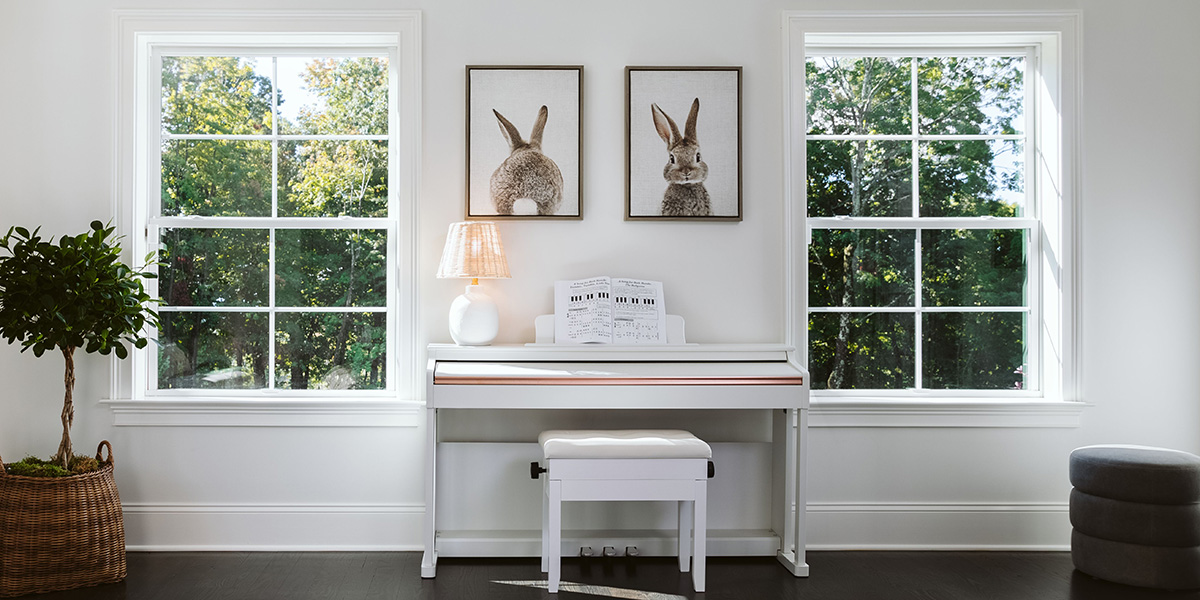
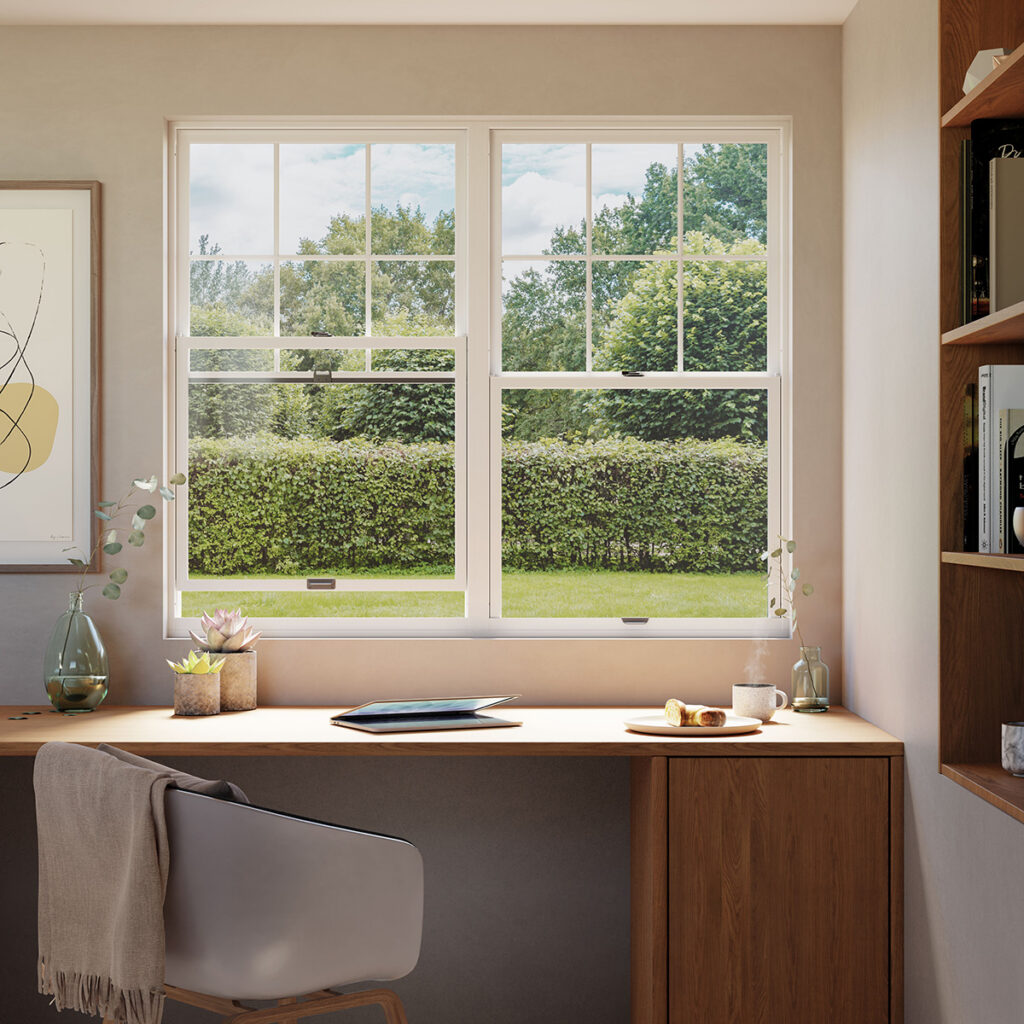
Double-hung windows are one of the most traditional window styles for residential homes. They feature two movable sashes, allowing both the upper and lower sections of the window to open.
This design provides flexible ventilation because homeowners can open either sash or both at the same time.
Double-hung windows are especially popular for traditional and Colonial style homes because their proportions and appearance complement classic architecture.
Some of the benefits include:
- Both sashes open for ventilation
- Easy cleaning from inside the home on many models
- Classic appearance
- Flexible ventilation options
- Available in many sizes and configurations
- Suitable for bedrooms, living rooms, kitchens, and other spaces
Double-hung windows are also a practical choice when homeowners want a familiar window style that blends easily with an existing home’s architecture.
What Are Casement Windows?
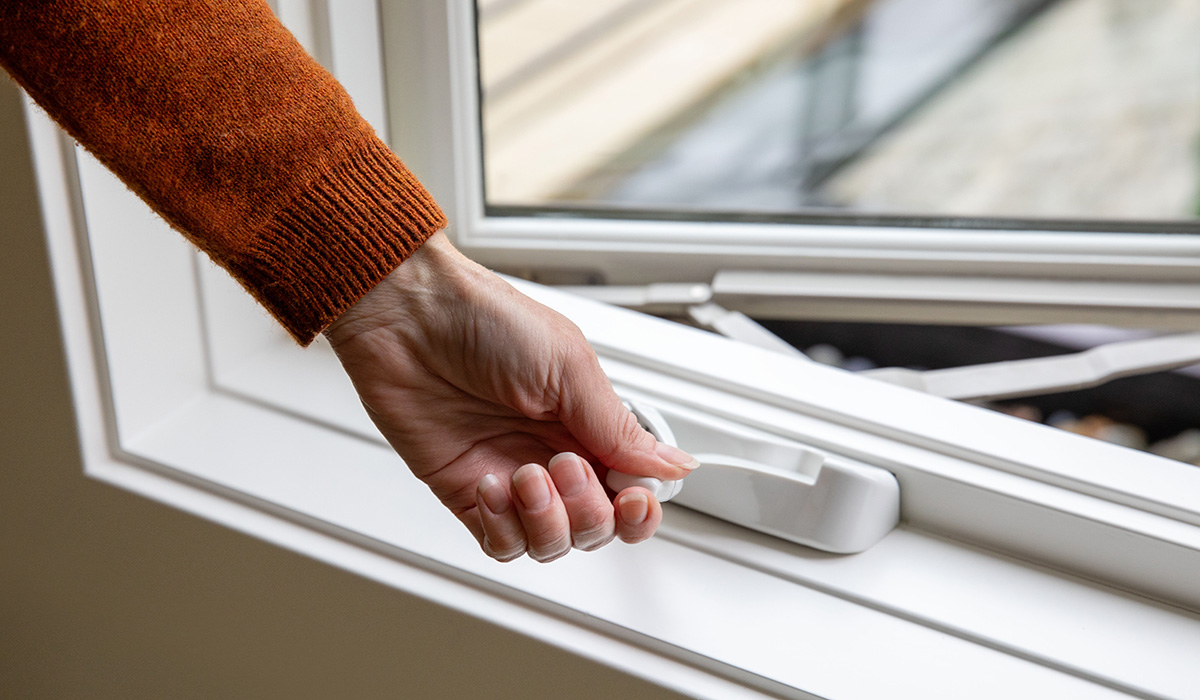
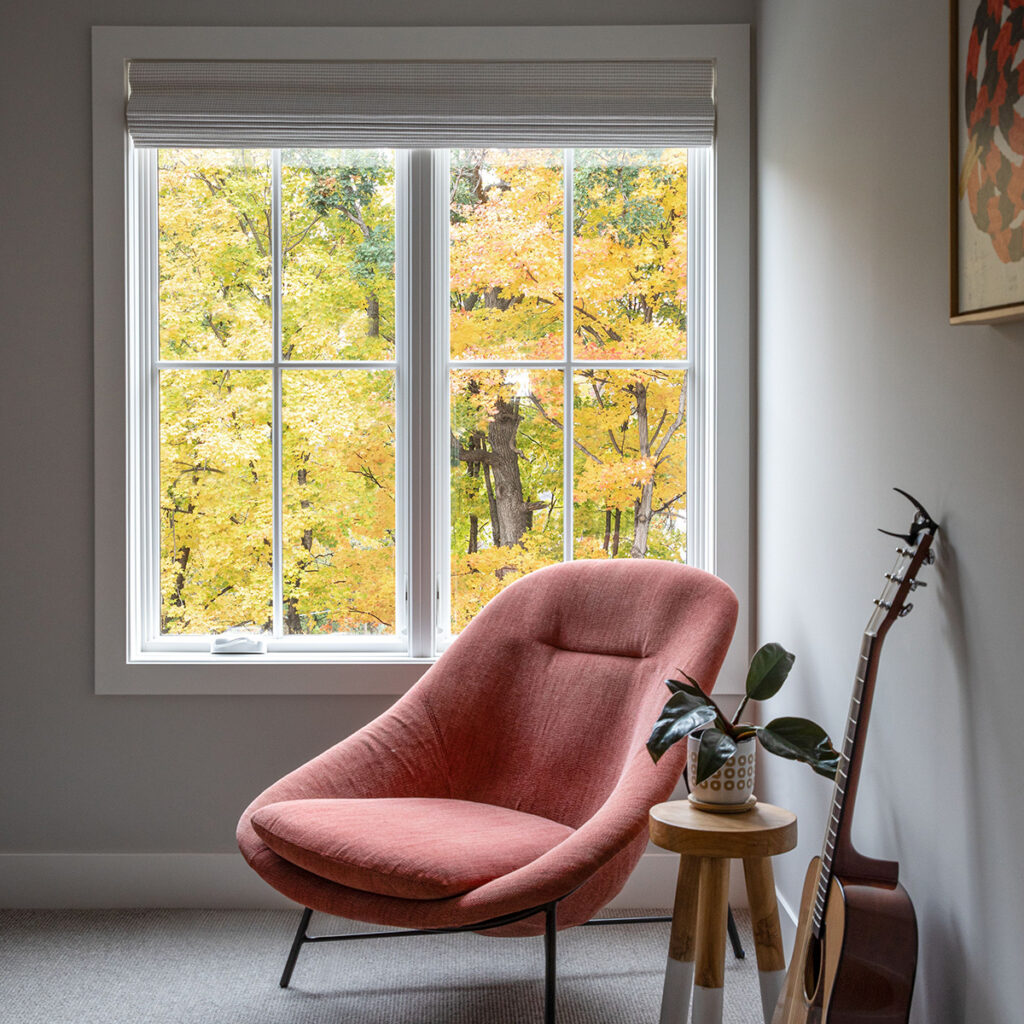
Unlike double-hung windows, casement windows are hinged on one side and open outward. They typically operate with a crank or handle, making them easy to open and close.
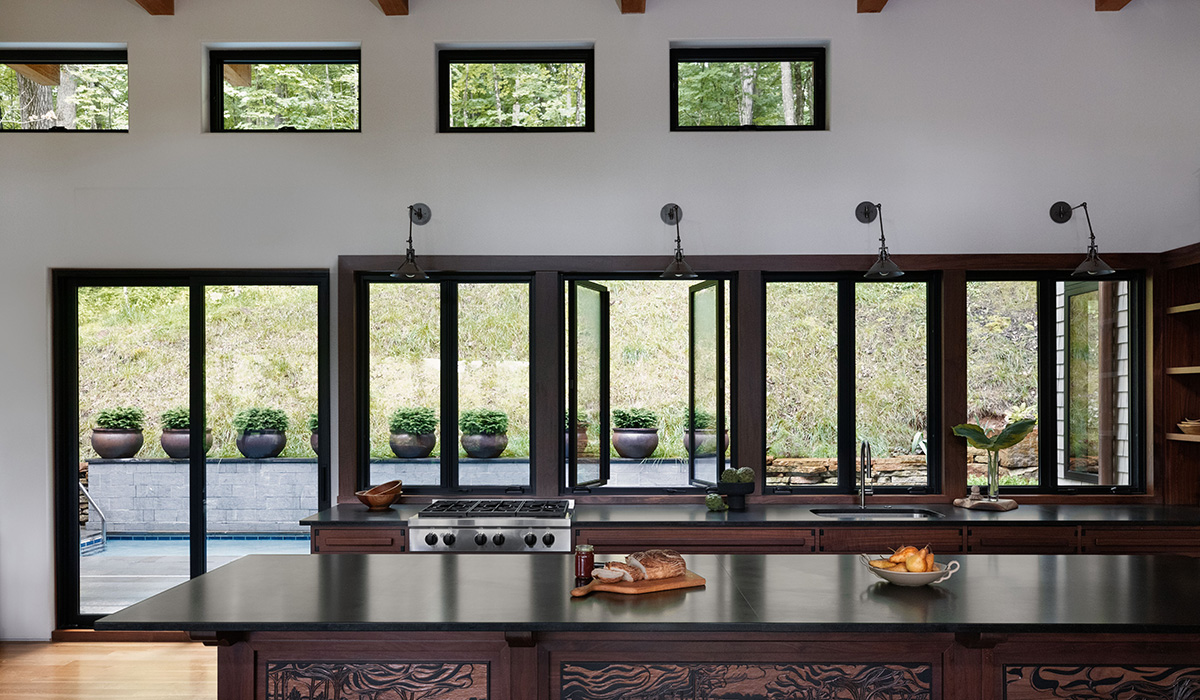
Because the entire window opening can be exposed, casement windows can provide excellent ventilation and expansive views.
They can be especially effective in areas where homeowners want to maximize airflow.
Casement windows offer several advantages:
- Excellent ventilation
- Large unobstructed glass areas
- Easy operation
- Strong outdoor views
- Contemporary and traditional design options
- Tight closure when properly installed
Their operating style also makes casement windows a good choice for areas where reaching a window may be difficult.
What Are Awning Windows?
- Bathrooms
- Kitchens
- Basements
- Areas beneath larger windows
- Rooms where ventilation is important
Double-Hung vs. Casement vs. Awning Windows
The best way to compare these three window styles is to consider how each one operates and where it works best.
Woodbury Supply offers a range of window solutions for new construction, remodeling, and replacement projects, including Marvin window collections in wood, aluminum clad wood, and fiberglass.
Which Window Style Is Best for Ventilation?
All three styles can provide ventilation, but they accomplish it differently.
Double-hung windows allow air to enter and exit through different sections of the window. Opening the lower sash allows air to enter, while opening the upper sash can allow warm air to escape.
Casement windows can capture airflow because the sash opens outward from the side. This can make them an excellent choice when maximizing ventilation is a priority.
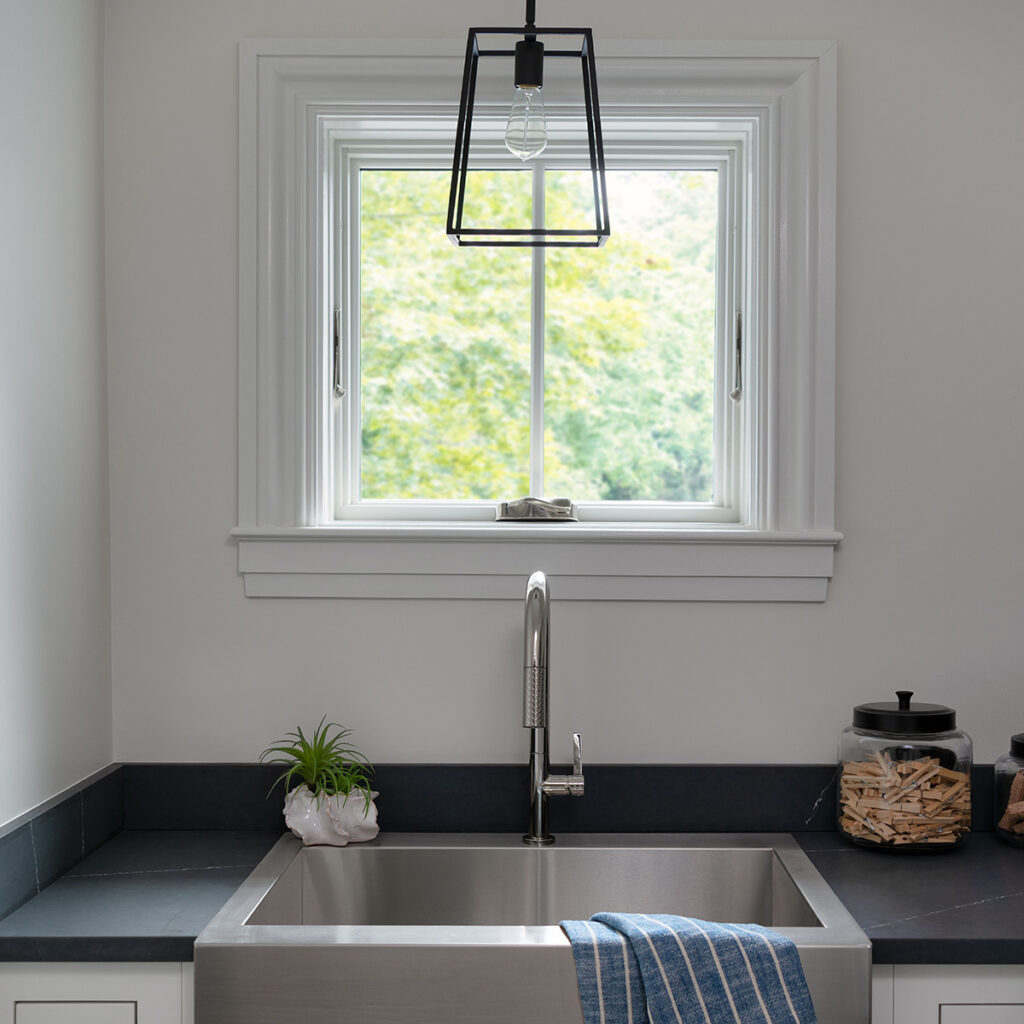
Awning windows provide ventilation through the lower portion of the opening. Their top hinged design can also provide an advantage when homeowners want fresh air while protecting the opening from light rain.
Think about how you naturally use each room before choosing a window style.
Consider Your Home's Architectural Style
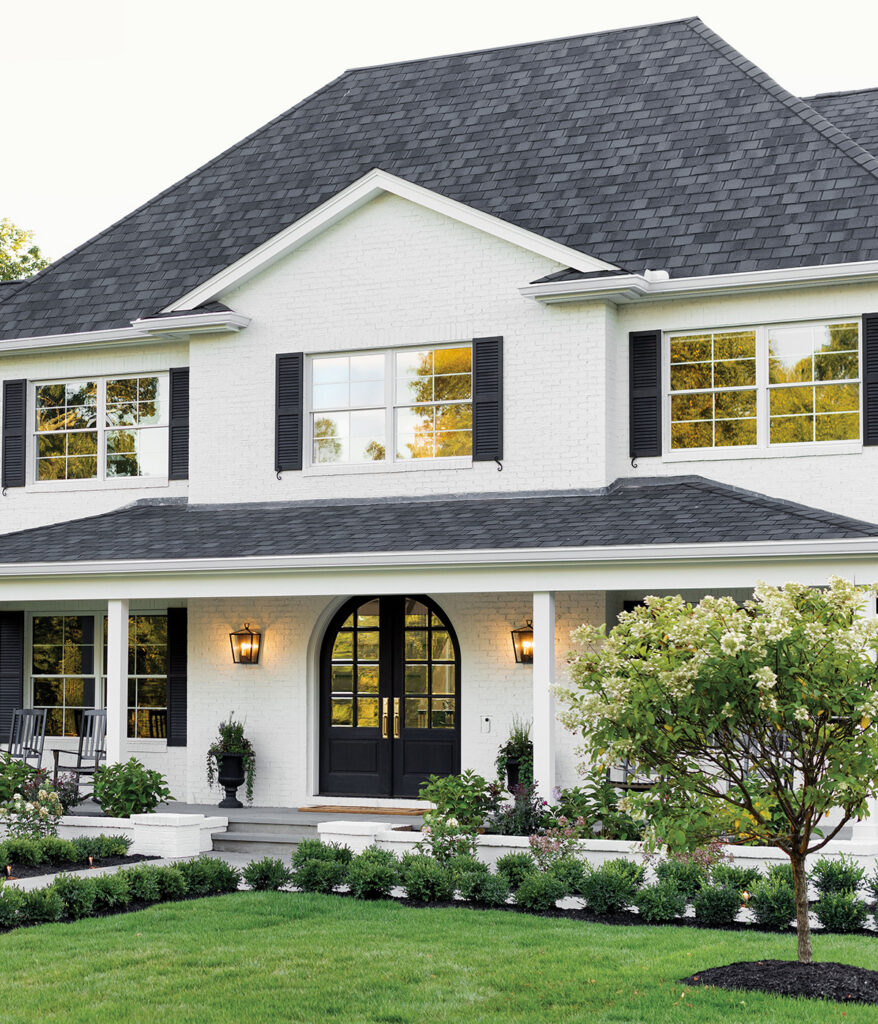
Window style can have a significant effect on the overall appearance of a home.
Double-hung windows are often a natural fit for:
- Colonial homes
- Traditional homes
- Historic properties
- Cape Cod style homes
- Classic renovations
- Contemporary homes
- Modern renovations
- Transitional designs
- Open concept spaces
- Homes with expansive views
Awning windows can be incorporated into many architectural styles, particularly when homeowners want smaller windows that provide ventilation and architectural interest.
The goal is not necessarily to use one style throughout the entire house. Combining window styles can create a more functional and visually interesting design.
Think About How Each Window Will Be Used
Different rooms have different requirements.
For a bedroom or living room, double-hung windows may provide the classic appearance and flexible ventilation you want.
For a kitchen or room with a large view, casement windows can provide broad glass areas and easy operation.
For a bathroom or space where ventilation is particularly important, an awning window may be a practical solution.
Ask yourself:
- How much ventilation does this room need?
- Do I want a traditional or contemporary appearance?
- Is the window easy to reach?
- How important are outdoor views?
- How will the window be cleaned?
- Does the style complement the rest of the home's architecture?
Answering these questions can narrow down your choices considerably.
Don't Forget Window Material and Glass
The operating style is only one part of the window selection process.
Homeowners should also consider frame materials, glass packages, finishes, hardware, and energy efficiency features.
Woodbury Supply offers Marvin windows in several material options, including wood, aluminum clad wood, and fiberglass. This gives homeowners and builders the ability to select a window that fits both the home’s architectural design and performance goals.
The right glass package can also contribute to comfort and energy efficiency, making it important to consider the entire window rather than focusing only on the operating style.
Professional Guidance Makes Window Selection Easier
With so many window styles, materials, and options available, choosing the right products can quickly become overwhelming.
Woodbury Supply’s team works with homeowners, builders, architects, and contractors to help evaluate design goals, budgets, project requirements, energy efficiency, and durability.
Professional guidance can help ensure your windows aren’t simply attractive but also appropriate for the way you use your home.
FAQ - Double-Hung vs. Casement vs. Awning Windows
What is the difference between double-hung, casement, and awning windows?
The main difference is how each window opens. Double-hung windows have two sashes that slide vertically, so you can open the top, the bottom, or both. Casement windows are hinged on one side and swing outward with a crank, exposing the full opening for airflow and views. Awning windows are hinged at the top and open outward from the bottom, which lets them stay open for ventilation even during light rain. Each style suits different rooms and architectural styles.
Which window style is best for ventilation?
All three ventilate, but differently. Casement windows typically offer the most airflow because the entire sash swings open and can catch a breeze. Double-hung windows let you open the lower sash to bring air in and the upper sash to let warm air out. Awning windows ventilate through the bottom opening and have the added benefit of staying open during light rain. The best choice depends on how you use each room.
Are casement or double-hung windows better for my home?
Neither is universally better—it depends on architecture and room use. Double-hung windows suit Colonial, traditional, historic, and Cape Cod homes and offer a familiar look with flexible ventilation and easy interior cleaning on many models. Casement windows suit contemporary, transitional, and open-concept homes, providing large unobstructed glass, expansive views, and easy crank operation over sinks or counters. Many homes combine styles for the best mix of function and appearance.
Where should awning windows be used in a house?
What window frame materials does Woodbury Supply offer?
Choose the Right Windows for Your Home
Double-hung, casement, and awning windows can all be excellent choices for residential projects. The best option depends on your home’s architecture, the needs of each room, desired ventilation, accessibility, and personal design preferences.
Whether you’re building a new home, remodeling an existing property, or replacing outdated windows, Woodbury Supply can help you explore your options and select products that align with your project.
With access to premium window manufacturers and knowledgeable support throughout the selection process, Woodbury Supply helps homeowners and building professionals bring their window projects together with confidence.
Ready to find the right window styles for your home? Contact Woodbury Supply today to discuss your project and explore your options.